JA
JA  EN_US
EN_US 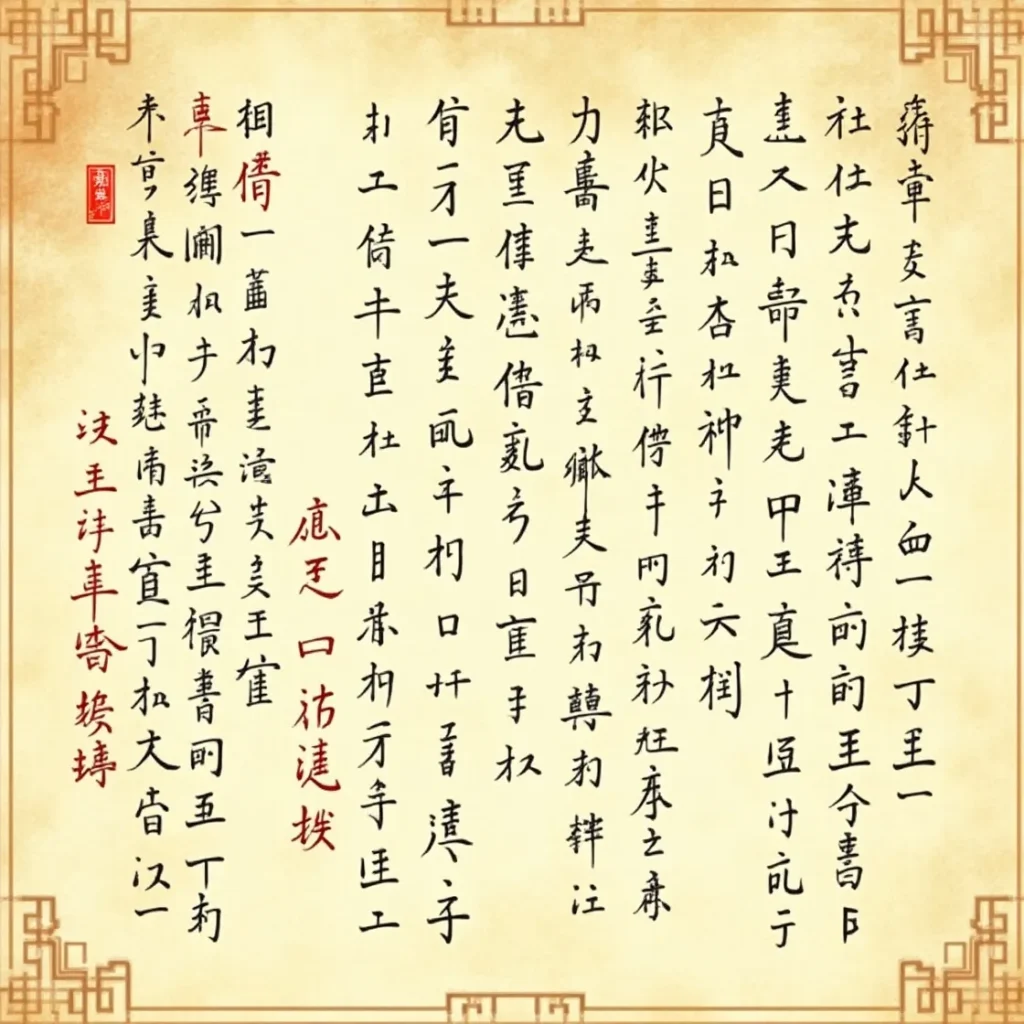
Introduction
Traditional Chinese Medicine (TCM) is one of the oldest and most holistic medical systems in the world, with a history spanning over 2,500 years. Rooted in ancient Chinese philosophy and culture, TCM encompasses a wide range of practices, including herbal medicine, acupuncture, cupping, qigong, and dietary therapy. This article delves into the rich history of Traditional Chinese Medicine, exploring its origins, evolution, key figures, foundational texts, and its enduring impact on global health. By understanding the history of TCM, we gain insight into how this ancient practice continues to shape modern medicine and wellness.
1. The Origins of Traditional Chinese Medicine
1.1 Ancient Beginnings: The Birth of TCM
The roots of Traditional Chinese Medicine (TCM) can be traced back to ancient China, where early civilizations sought to understand the human body and its relationship with nature. The foundational principles of TCM were influenced by Daoism, Confucianism, and the concept of Yin-Yang, which emphasizes balance and harmony.
Archaeological evidence, such as oracle bones and ancient texts, reveals that early Chinese societies used herbal remedies and simple medical techniques to treat ailments. The Shang Dynasty (1600–1046 BCE) is often cited as the period when Traditional Chinese Medicine began to take shape, with the use of herbal medicine and rudimentary diagnostic methods.Learn more about the benefits of herbal medicine in our detailed guide
1.2 The Role of Mythology in TCM
Chinese mythology also played a significant role in shaping Traditional Chinese Medicine. Legendary figures like Shennong, the “Divine Farmer,” are credited with discovering the healing properties of herbs. According to myth, Shennong tasted hundreds of plants to identify their medicinal uses, laying the groundwork for Chinese herbal medicine.
2. The Philosophical Foundations of TCM
2.1 Yin-Yang Theory
The Yin-Yang theory is central to Traditional Chinese Medicine, representing the duality and interdependence of opposing forces in nature. Yin symbolizes darkness, cold, and passivity, while Yang represents light, heat, and activity. In TCM, health is achieved when Yin and Yang are in balance, and disease arises when this balance is disrupted.
2.2 The Five Elements Theory
Another cornerstone of Traditional Chinese Medicine is the Five Elements Theory (Wu Xing), which categorizes the natural world into five elements: Wood, Fire, Earth, Metal, and Water. Each element corresponds to specific organs, emotions, and seasons, providing a framework for diagnosis and treatment.
3. The Golden Age of TCM: The Han Dynasty
3.1 The Compilation of Foundational Texts
The Han Dynasty (206 BCE–220 CE) is considered the golden age of Traditional Chinese Medicine, during which many foundational texts were compiled. The most notable of these is the Huangdi Neijing (The Yellow Emperor’s Inner Canon), often regarded as the bible of TCM. This text outlines the principles of Yin-Yang, the Five Elements, and the importance of maintaining harmony between the body and the environment.
3.2 Zhang Zhongjing and the Treatise on Cold Damage
Another pivotal figure of this era was Zhang Zhongjing, whose work Shanghan Lun (Treatise on Cold Damage) revolutionized the diagnosis and treatment of infectious diseases. His emphasis on individualized treatment plans remains a cornerstone of Traditional Chinese Medicine practice today.
4. The Evolution of TCM Through the Dynasties
4.1 The Tang Dynasty: A Period of Expansion
During the Tang Dynasty (618–907 CE), Traditional Chinese Medicine experienced significant growth and standardization. The government established medical schools and published official pharmacopeias, such as the Xinxiu Bencao (Newly Revised Materia Medica), which cataloged over 800 medicinal substances.
4.2 The Song Dynasty: Innovations in Acupuncture
The Song Dynasty (960–1279 CE) saw advancements in acupuncture and moxibustion, with the publication of detailed anatomical charts and acupuncture manuals. This period also marked the rise of TCM pediatrics and gynecology.
4.3 The Ming and Qing Dynasties: Refinement and Integration
The Ming (1368–1644 CE) and Qing (1644–1912 CE) dynasties were characterized by the refinement of TCM theories and the integration of new medical knowledge. Notable works from this period include Li Shizhen’s Bencao Gangmu (Compendium of Materia Medica), which remains one of the most comprehensive texts on herbal medicine.
5. Key Figures in the History of TCM
5.1 Hua Tuo: The Father of Surgery
Hua Tuo (140–208 CE) was a renowned physician who pioneered surgical techniques and anesthesia using herbal concoctions. His contributions to TCM surgery and his emphasis on physical exercise for health are still celebrated today.
5.2 Sun Simiao: The King of Medicine
Sun Simiao (581–682 CE) is often referred to as the “King of Medicine” for his extensive contributions to Traditional Chinese Medicine. His works, such as Qianjin Fang (Thousand Golden Prescriptions), emphasized the importance of preventive medicine and ethical medical practice.
6. The Global Spread of TCM
6.1 TCM in East Asia
Traditional Chinese Medicine has profoundly influenced medical systems in Japan, Korea, and Vietnam, where it evolved into unique practices such as Kampo medicine, Korean traditional medicine, and Thuốc Nam.
6.2 TCM in the West
In recent decades, Traditional Chinese Medicine has gained popularity in the West, particularly for its holistic approach and natural remedies. Practices like acupuncture and herbal medicine are now widely used to complement conventional treatments.
7. Modern Challenges and Innovations in TCM
7.1 Scientific Validation of TCM
While Traditional Chinese Medicine has been practiced for millennia, modern science has begun to validate its efficacy through clinical studies and research. For example, artemisinin, a compound derived from the herb Artemisia annua, has been recognized as a potent treatment for malaria.
7.2 The Integration of TCM and Western Medicine
Today, many healthcare systems are integrating Traditional Chinese Medicine with Western medicine to provide comprehensive care. This integrative approach is particularly effective in managing chronic conditions and promoting overall wellness.
8. The Future of TCM
8.1 TCM in the Digital Age
The digital revolution has transformed Traditional Chinese Medicine, with online platforms offering telemedicine consultations, herbal prescriptions, and educational resources. Mobile apps and wearable devices are also being developed to monitor health and provide personalized TCM recommendations.
8.2 TCM and Global Health
As the world faces new health challenges, Traditional Chinese Medicine offers valuable insights into preventive care and holistic healing. Its emphasis on balance, harmony, and natural remedies aligns with the growing demand for sustainable and patient-centered healthcare.
Conclusion
The history of Traditional Chinese Medicine (TCM) is a testament to its enduring relevance and adaptability. From its ancient origins to its modern applications, TCM has evolved into a comprehensive medical system that continues to benefit millions worldwide. By embracing the wisdom of Traditional Chinese Medicine and integrating it with modern science, we can unlock new possibilities for health and wellness in the 21st century.
FAQs
- What is the oldest text in Traditional Chinese Medicine?
The Huangdi Neijing (The Yellow Emperor’s Inner Canon) is considered the oldest and most foundational text in TCM, dating back to the Han Dynasty. - How does TCM differ from Western medicine?
TCM focuses on holistic healing and balancing the body’s energy (Qi), while Western medicine often targets specific symptoms or diseases. - Is TCM scientifically proven?
Many TCM practices, such as acupuncture and herbal medicine, have been validated by scientific research, though further studies are ongoing. - Can TCM be used alongside Western medicine?
Yes, TCM is often used as a complementary therapy to enhance the effectiveness of Western treatments. - What are the main components of TCM?
TCM includes herbal medicine, acupuncture, cupping, qigong, and dietary therapy, among other practices.