EN_US
EN_US  JA
JA 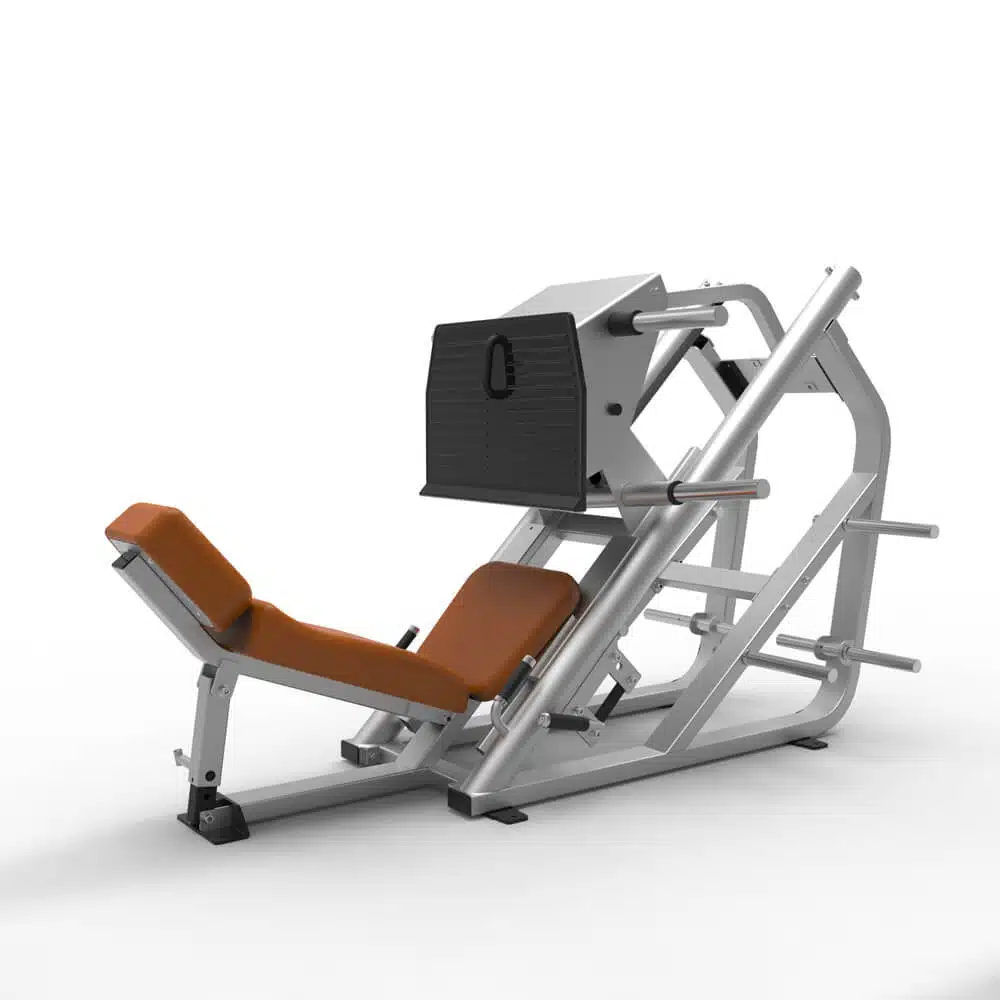
Let’s be honest, leg day can be tough. But those strong quads, resilient hamstrings, and powerful glutes aren’t just for looking good. They’re the foundation of so much we do – from explosive sprints to simply climbing stairs without huffing and puffing. And while free weights are fantastic, leg machines offer a unique advantage: they help us target specific muscles with control, allowing us to really feel the burn and push our limits safely.
This guide isn’t just a list of equipment; it’s your roadmap to effective leg training. We’ll explore 17 different types of leg workout machines, arming you with the knowledge to use them correctly and maximize your gains. Get ready for some “Oh, that’s what I’ve been doing wrong!” moments – and the tools to fix them!
Leg Press Machines
The leg press machine is a gym staple for a reason. It’s a powerhouse for building overall lower body strength.
What it does: The leg press lets you lift heavy weight in a controlled manner, taking some of the balance stress off your body compared to squats. This allows you to really focus on pushing force.
Types:
The most common is the 45-degree leg press.
Variations include the vertical leg press (a bit more challenging) and the seated horizontal leg press.
Muscles worked:
Quads (those big muscles in the front of your thighs)
Hamstrings (the often-neglected back of your thighs)
Glutes (your booty!)
Calves (they get in on the action too)
How to use:
First, adjust the seat! Your lower back should be firmly planted against the pad.
Position your feet on the platform, usually shoulder-width apart. (Pro tip: Foot placement changes the focus!)
Lower the weight with control until your knees form a 90-degree angle.
Then, drive through your heels to push the platform back to the start.
Tips:
Don’t lock your knees! This is a big one. Keep a slight bend at the top to protect those joints.
Hip-width stance is a good starting point.
Want to target quads more? Place feet lower on the platform.
Want to hit those glutes and hamstrings? Go higher and wider with your feet.
Common mistakes (and how to fix them!):
Lower back lifting off the pad: Ouch! This puts unnecessary stress on your spine. Adjust the seat or reduce the weight.
Knees caving in: This “valgus collapse” is a knee injury waiting to happen. Strengthen your hip abductors (more on those later!) and focus on pushing your knees out.
Using too much weight: Ego lifting is not worth injury. Start lighter and master the form.
Benefits:
Great for building serious lower body strength.
Allows you to lift heavier than you might with squats (initially).
Drawbacks:
Less core engagement than squats.
Can be hard on the knees if your form is off.
Leg Extension Machines
The leg extension machine is all about isolating those quadriceps.
What it does: This seated exercise lets you specifically target the quads by extending your legs against resistance.
Muscles worked:
Quads (all four heads!)
How to use:
Sit tall with your back against the seat pad.
Adjust the lower leg pad so it sits comfortably on your shins.
Extend your legs until they’re straight (but not locked!).
Lower the weight slowly.
Tips:
Slow and controlled is key! No swinging those legs.
You can do one leg at a time to even out any strength differences.
Common mistakes (and how to fix them!):
Heaving the weight: If you’re swinging, it’s too heavy. Drop the weight and focus on squeezing those quads.
Not adjusting the machine: Make sure the back pad and leg pad are in the right place for your body.
Arching your back: Keep your back pressed against the pad to protect your spine.
Benefits:
Really isolates and strengthens the quads.
Can help with muscle definition.
Beginner-friendly.
Drawbacks:
Can put a lot of stress on the knee joint if you’re not careful.
Doesn’t translate directly to real-life movements.